Champagne is synonymous with celebration, but how does it fit into a healthy lifestyle? Good news for bubbly lovers: sparkling wine is one of the lower-calorie alcoholic options, making it a smart choice for special occasions without derailing your diet goals.
Champagne Nutrition Facts
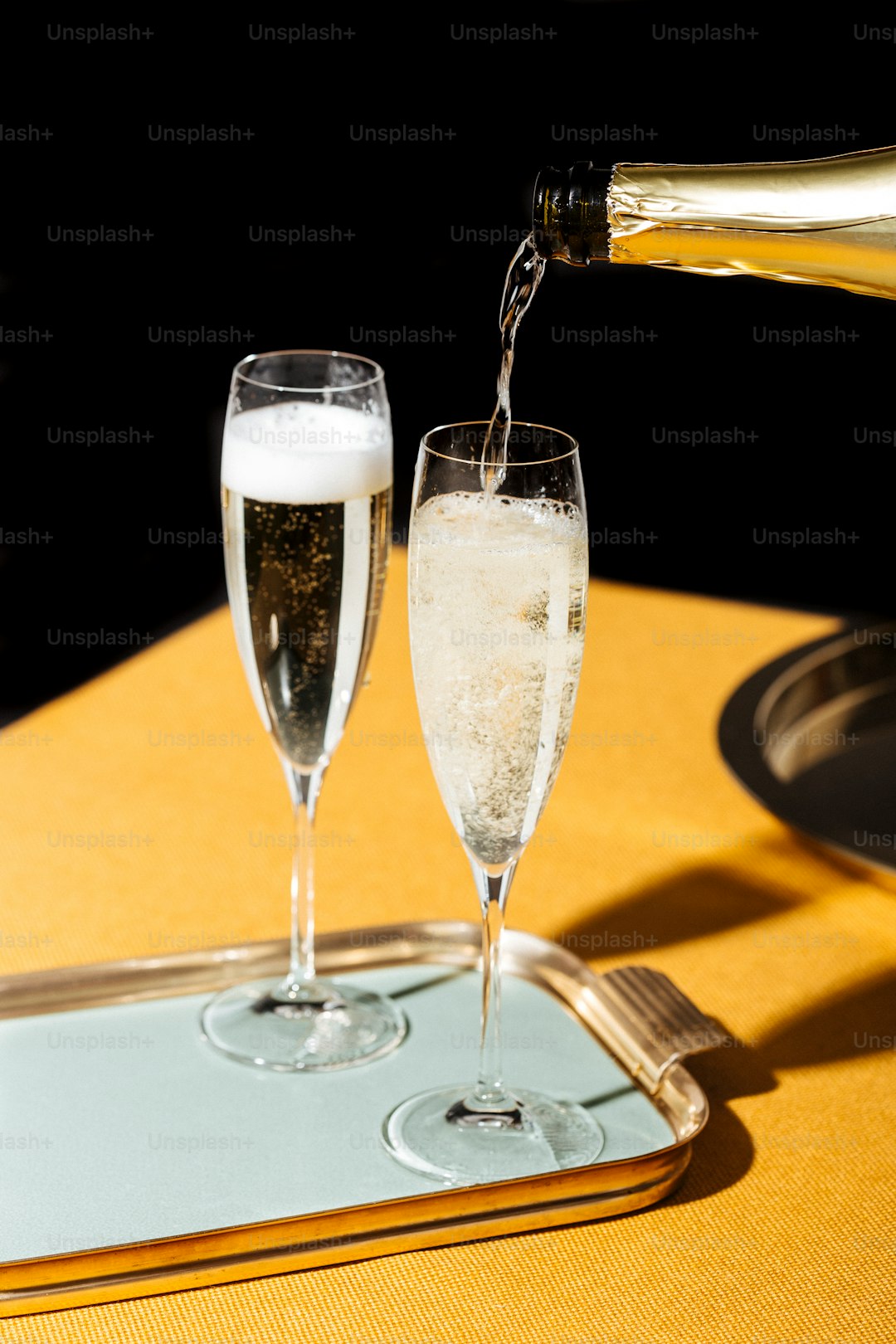
A standard 5 oz glass of brut champagne contains:
- Calories: 95-120
- Carbohydrates: 1-4g
- Sugar: 0.5-2g
- Alcohol: 12-13%
Compare that to a 5 oz glass of red wine (125 calories) or a 12 oz beer (150 calories), and champagne comes out looking pretty good.
Understanding Champagne Sweetness Levels
The sweetness of champagne directly affects its calorie and sugar content:
Brut Nature / Zero Dosage
Sugar: 0-3g/L | Calories: 90-95
The driest option with no added sugar. Best for keto and low-carb diets.
Extra Brut
Sugar: 0-6g/L | Calories: 95-100
Very dry with minimal sweetness. A great everyday option.
Brut

Sugar: 0-12g/L | Calories: 95-110
The most common style. Dry with subtle sweetness. Most popular for celebrations.
Extra Dry/Extra Sec
Sugar: 12-17g/L | Calories: 110-120
Confusingly named—this is actually sweeter than Brut. Noticeable sweetness.
Demi-Sec
Sugar: 32-50g/L | Calories: 130-150
Dessert-style champagne. Significantly higher in calories and sugar.
Best Low-Calorie Champagne Options
- Moët & Chandon Brut Imperial: ~95 calories, very balanced
- Veuve Clicquot Brut: ~95 calories, classic and reliable
- Laurent-Perrier Ultra Brut: ~90 calories, no dosage
- Piper-Heidsieck Brut: ~95 calories, excellent value
Prosecco vs. Champagne vs. Cava
All three are sparkling wines with similar calorie profiles:
- Champagne: 95-120 cal/glass, French, made with Chardonnay/Pinot Noir
- Prosecco: 90-100 cal/glass, Italian, tends to be slightly sweeter
- Cava: 85-95 cal/glass, Spanish, often the driest and lowest calorie
Tips for Healthier Champagne Drinking
- Choose Brut or drier: Avoid anything sweeter than Extra Dry
- Mind the pour: A proper champagne pour is 4-5 oz, not a full glass
- Skip champagne cocktails: Mimosas and Bellinis add significant sugar
- Stay hydrated: Bubbles can mask how much you’re drinking
Compare sparkling wines and find the best options on DrinkLeader.